Skyline Compliance
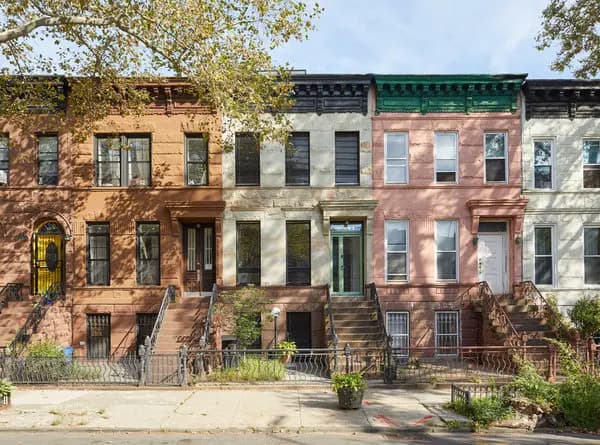
NYC brick building parapet
Local Law 126 Guide

NYC Parapet Inspection Regulations Explained

Everything building owners need to know about Local Law 126 compliance, deadlines, and requirements.

Annual Deadline: Dec 31
Qualified Inspectors
6-Year Report Retention
All Boroughs Covered
The Basics

What Is a Parapet Wall?

A parapet wall is a low protective wall along the edge of a roof, balcony, bridge, or terrace. In NYC, parapets are common on older residential and commercial buildings and are subject to strict inspection requirements.

Parapet failures can result in falling debris — posing serious danger to pedestrians below. NYC's Local Law 126 was enacted to ensure all building owners proactively assess and maintain these structures every year.

Annual deadline: December 31st each year for all applicable NYC buildings.
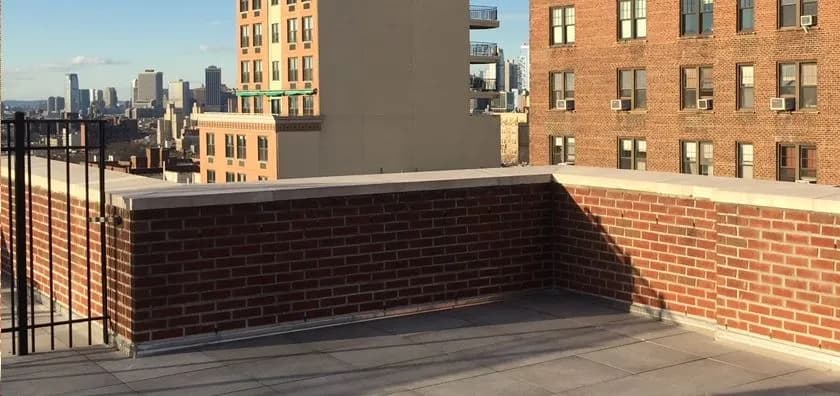
NYC building parapet wall
Building inspector on NYC rooftop
Who It Applies To

Who Needs a Parapet Inspection?

All buildings with a parapet fronting the public right-of-way — regardless of height — must comply with Local Law 126. This includes:

Residential buildings of all sizes
Commercial and mixed-use properties
Co-ops, condos, and rental buildings
Older structures with exposed parapets

Exceptions: Detached 1- or 2-family homes, and buildings with a fence or barrier preventing public access to the exterior wall.

What We Assess

Comprehensive Inspection Criteria

01

Cracks, spalling, or displacement of masonry

02

Deterioration of mortar joints

03

Leaning, bulging, or out-of-plumb walls

04

Damaged or missing coping stones

05

Evidence of water infiltration or staining

06

Loose or missing anchors or ties

07

Condition of any metal railings or guards

08

Previous repairs and their current condition

Documentation

Report Requirements

Every compliant parapet report must include the following information:

01Name, address, and contact information of the building owner
02Address of the property being observed
03Name and contact details of the observer (if not the owner)
04Date of the observation
05Location and construction details of the parapet
06General conditions noted and any unsafe conditions found
07Actions taken to remedy identified unsafe conditions
08Dated photos documenting conditions at time of observation
The Difference

Compliance vs. Non-Compliance

Compliant

Annual parapet observation completed on time
Report on file and available to the DOB
Issues identified and remediated promptly
Building owner protected from DOB violations

Non-Compliant

DOB violations and financial penalties
Potential stop-work or emergency orders
Increased liability if parapet failure causes injury
Emergency repair costs at significantly higher expense
FAQ

Frequently Asked Questions

Everything you need to know about Local Law 126 parapet inspection compliance.

Dec 31

Annual Deadline

24–48h

Report Turnaround

6 yrs

Report Retention

5

Boroughs Served

Still Have Questions?

Annually — by December 31st each year for all applicable buildings.

Building owners may receive DOB violations and fines. In the event of a parapet failure, non-compliance can significantly increase liability exposure.

A qualified observer's findings on the condition of the parapet, dated photos, a description of any unsafe conditions, and actions taken.

A licensed architect or engineer, a licensed home inspector, a building inspector, an NYC-authorized building inspector, or any individual capable of identifying hazards on the parapet.

Most parapet observations take 1–2 hours depending on building size. Reports are delivered within 24–48 hours.

We primarily serve all five NYC boroughs. Nassau and Suffolk County inspections are available upon request.

NYC rooftop skyline
Act Now

Stay Ahead of Compliance

Don't wait for a violation notice. Schedule your annual parapet observation today and stay ahead of NYC DOB requirements.